
Stephanie Messas, Alastair Mecke, Noémie Tabiou
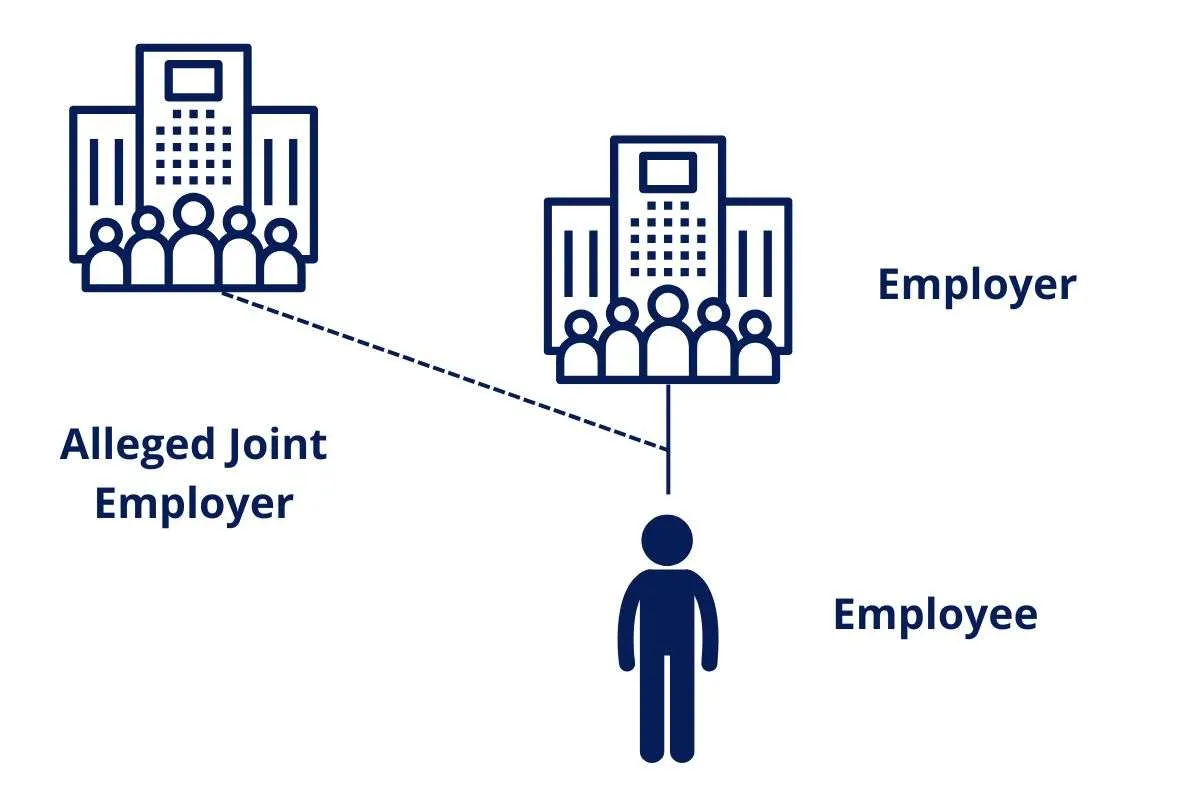
The U.S. Department of Labor (DOL) has issued a proposal that would reintroduce a nationwide approach to deciding when more than one business may be treated as an employee’s “joint employer.” If the proposal becomes final, it could affect wage-and-hour compliance, leave administration, and risk allocation in common business models such as staffing, subcontracting, and franchising. The DOL is accepting comments through June 22, 2026.
A Brief Overview of the 2020 Rule
In January 2020, the Department of Labor (DOL) issued a joint-employer rule that provided the first significant federal regulatory framework on the topic in decades. The rule established a four-factor test to assess whether a potential joint employer exercised sufficient control over a worker’s terms and conditions of employment. Specifically, the factors examined whether the potential joint employer: (1) hired or fired the employee, (2) supervised and controlled the employee’s work schedule or conditions of employment, (3) determined the rate and method of payment, and (4) maintainedemployment records. Practitioners generally viewed the 2020 rule as setting a relatively high bar for a finding of joint-employer status.
The Current Landscape: Five Years Without a Federal Standard
After the 2020 rule was largely vacated in litigation and later formally rescinded in 2021, the DOL was left without a generally applicable joint-employer regulation. Without a unified federal standard, enforcement and litigation turned on judge-made tests that differ by federal circuit. For multi-state employers-particularly those operating through franchise systems, staffing agencies, or subcontracting arrangements, this patchwork made it difficult to structure business relationships with any degree of legal certainty, and led to inconsistent outcomes depending on geography and the particular investigator or court involved.
During this period, horizontal joint-employment concepts generally continued to reflect the DOL’s longstanding enforcement approach, while vertical joint-employment determinations varied more significantly by jurisdiction and fact pattern. Nevertheless, the absence of a unified federal standard persisted for over five years.
The Proposed Rule: Reviving the 2020 Framework and Unifying the FLSA, FMLA, and MSPA
On April 22, 2026, the DOL published a proposed rule that would establish a single standard for determining joint employer status under the Fair Labor Standards Act (FLSA), the Family and Medical Leave Act (FMLA), and the Migrant and Seasonal Agricultural Worker Protection Act (MSPA). The proposal draws on the fact that all three statutes share the same statutory definitions of employment, thereby providing a coherent basis for a unified framework that would reduce uncertainty for both employers and employees.
- Horizontal Joint Employment
In horizontal joint employment, an employee works separate hours for two employers in the same workweek. The central question is whether those employers are sufficiently associated with respect to the employee’s work to be treated as joint employers (including for purposes of aggregating hours for overtime). Merely sharing a vendor or being co-franchisees of the same franchisor does not, by itself, establish horizontal joint employment.
- Vertical Joint Employment: The Four-Factor Test
In vertical joint employment, a single employee works one set of hours that simultaneously benefits two entities. It is this vertical scenario that has historically generated the greatest legal exposure.
For vertical joint employment scenarios, the proposed rule applies a four-factor test assessing whether the putative joint employer: (1) hires or fires the employee; (2) supervises and controls the employee’s work schedule or conditions of employment to a substantial degree; (3) determines the employee’s rate and method of payment; and (4) maintains the employee’s employment records. Where all four factors point in the same direction, that alignment creates a strong presumption for (or against) joint-employer status. The DOL notes that, in certain circumstances-such as where the formal factors do not fully capture the economic realities of the relationship-the inquiry may extend to additional indicia of control.
Under the proposal, “reserved” contractual authority (for example, a right to supervise or discipline that is never actually exercised), carries less weight than control that is actively practiced. Practically, that means businesses should pressure-test both the written allocation of responsibilities and the on-the-ground conduct of managers, field teams, and client-facing personnel.
What Will Not Establish Joint Employer Status
A key feature of the proposed rule is that it expressly identifies certain business practices that, standing alone, do not create joint-employer liability. These include:
- Requiring anti-harassment policies or background checks through contract;
- Providing a sample employee handbook to another employer;
- Offering an association health plan;
- Participating in a joint apprenticeship program;
- Operating as a franchisor; and
- Imposing quality control standards to protect brand reputation.
These carve-outs afford companies operating through franchisees and subcontractors certainty that routine protection measures and compliance coordination will not automatically expose them to joint employer liability. For franchisors and businesses that use subcontractors, these clarifications are helpful: routine brand-protection and compliance coordination measures should not, by themselves, trigger joint-employer status. That said, the overall analysis remains fact-specific, particularly where an entity becomes involved in day-to-day supervision or pay practices. Beyond franchisors and staffing agencies, the proposed rule will be particularly relevant to payroll host arrangements (where one entity serves as the employer of record while another controls day-to-day work), affiliated entities within a corporate group (including subsidiaries, sister companies, and shared-services arrangements), and U.S. subsidiaries of foreign parent companies that actively direct compensation, HR policy, or workforce decisions for domestically employed workers.
Action Steps for Employers (Now, During the Comment Period, and If the Rule Is Finalized)
- By June 22, 2026 (comment deadline): Identify any staffing, subcontracting, franchise, vendor-management, or shared-services relationships where your business could be viewed as influencing another entity’s workers. Consider whether submitting comments (directly or through an industry group) would be helpful.
- Next 60–90 days: Map “who actually does what” for hiring, discipline, scheduling, timekeeping, pay rates, pay methods, and recordkeeping. Update internal documentation and manager guidance so day-to-day practices match the intended allocation of responsibility.
- Staffing agencies and subcontractors: Review statements of work and operating procedures for client-side supervision. Limit direction to deliverables and quality standards where feasible, and route performance issues through the vendor’s supervisors.
- Franchise systems: Keep brand standards and compliance requirements clearly separated from day-to-day supervision of franchisee employees. Ensure training and audits focus on outcomes and brand protection—not directing individual employees’ schedules, discipline, or pay.
- Ongoing: Train field managers and operational teams on what they may (and may not) do with respect to another entity’s employees; periodically audit communications, site practices, and record flows (including who maintains which records).
If you would like help assessing joint-employer risk under the proposed framework, preparing comments, or updating vendor/franchise oversight practices, please contact us.
This post is provided for informational purposes only as of the date of publication and does not constitute legal advice or legal opinion. The information contained herein may not reflect the most current legal developments. Reading this post does not create an attorney-client relationship between the reader and the firm or any of its attorneys. Readers should not act upon this information without seeking advice from qualified legal counsel familiar with their particular circumstances.